

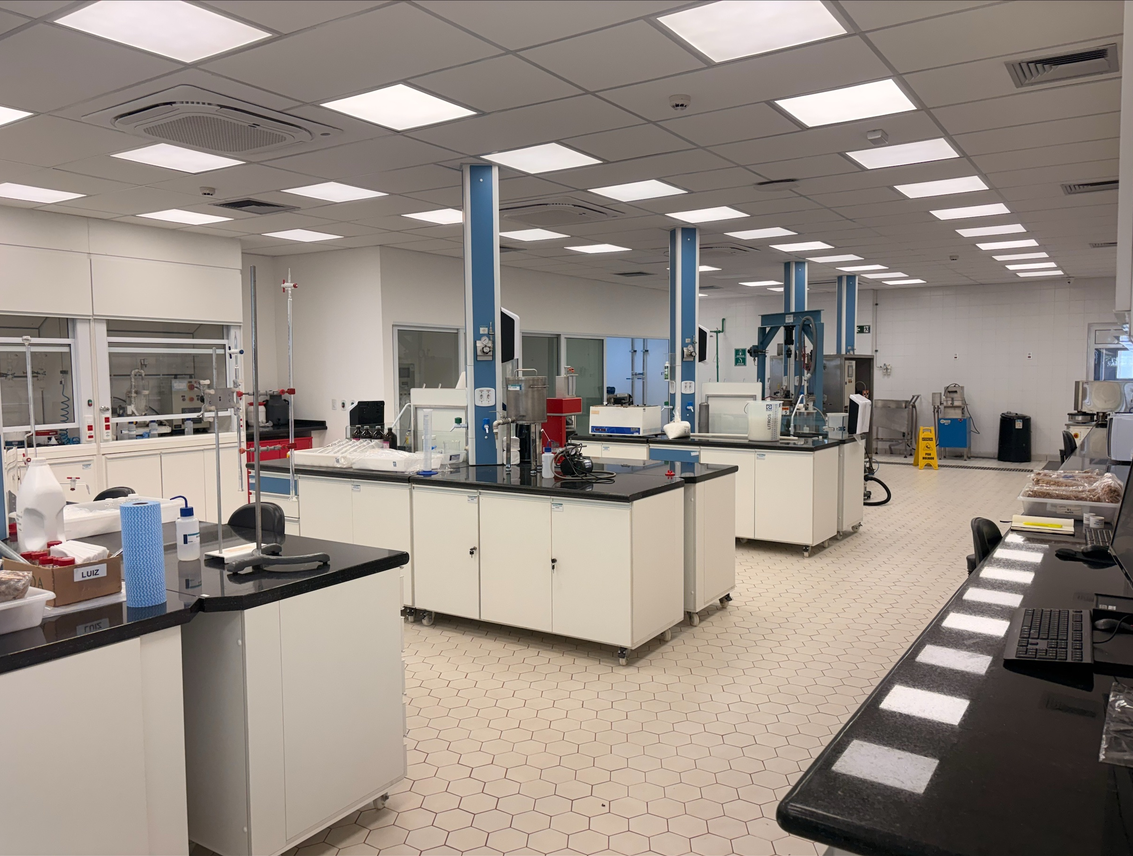
Solenis has relocated its global Pulp Center of Excellence from the United States to a new facility in Paulínia, Brazil, bringing its research and development capabilities closer to one of the world’s fastest-growing pulp-producing regions.
Located alongside the company’s existing Paulínia Technology Center, the 500-square-meter facility is dedicated to developing solutions for the global pulp industry. It brings together scientific expertise, application knowledge and advanced testing capabilities to help customers address operational, efficiency and sustainability challenges.
The center is staffed by scientists and technicians specializing in pulp applications, process chemistry and customer-focused innovation.
“By placing our global pulp innovation capabilities in Brazil, we are moving closer to our customers and to one of the most dynamic pulp regions in the world,” said Christoph Adami, Vice President, Innovation. “This center strengthens our ability to collaborate directly with producers, accelerate innovation cycles and develop next-generation technologies that help pulp manufacturers worldwide improve productivity, cost position and sustainability.”
Latin America has become a major hub for pulp production, with regional capacity growing significantly over the past decade and further expansion expected. Brazil remains a key destination for industry investment, with Mato Grosso do Sul accounting for a substantial share of announced pulp projects.
Strategically located in the Campinas/Paulínia technology hub, the new center enables Solenis to respond more quickly to customer needs and work more closely with pulp producers across the region.
The center provides testing and development capabilities across the entire pulp production process, from wood handling through cooking, brownstock washing, bleaching, recausticizing and refining. These capabilities enable Solenis teams to simulate different stages of pulp manufacturing, evaluate treatment programs and develop solutions tailored to individual mill operations.
Current development projects include a talc-free pitch control platform, pitch monitoring equipment co-developed with industry partners, a cooking additive designed to improve cooking yield, and a silicone-free defoamer range already recognized in the Brazilian market. These technologies aim to optimize mill performance, reduce operational constraints and support more sustainable production.